

Lighting and Shading Control for Your Portland Home
Enjoy One Easy System Without All the Apps
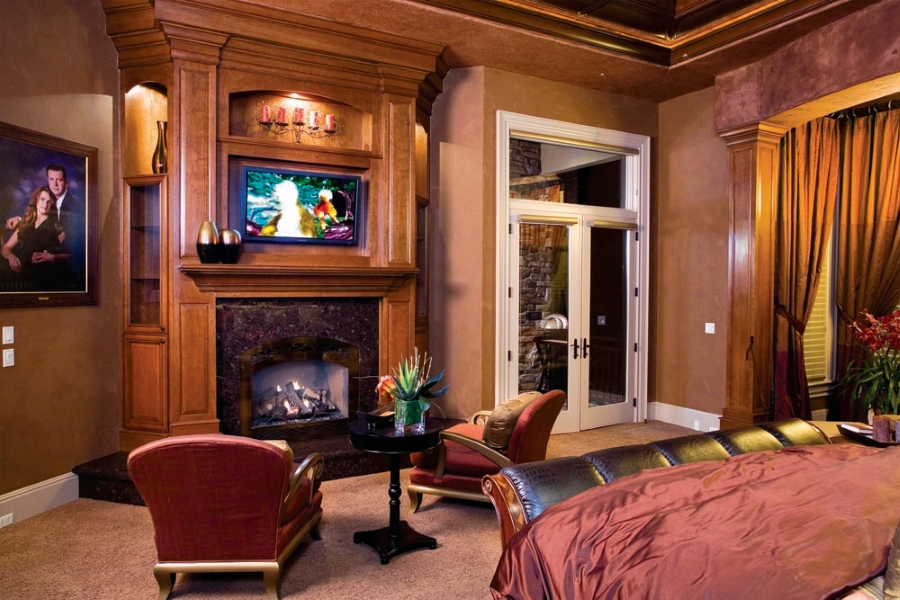
Most Portland homes end up treating lighting and shading as two separate projects: dimmers installed one year, motorized shades added much later. Each runs from its own remote or app, and neither one knows the other exists.
Splitting them into two systems creates more remotes to hunt for and more settings to remember than anyone wants to learn. Bring both under one system, and a single-button tap handles illumination and window treatments together without toggling between two controls to make a room feel right.
Keep reading to learn what that would look like in your Portland-area home.
DISCOVER HUMAN-CENTRIC LIGHTING: How Tunable White Light Supports Better Sleep, Energy, and Focus
What Happens When Lights and Shades Aren't Talking to Each Other?
Brightness in a room comes from lighting fixtures and natural light working together. Treated separately, balance is left to guesswork: shades stay open while the lights serve no purpose, fighting the afternoon sun, or a carefully dimmed room gets undercut by a window blind at the wrong angle.
Using a smart control platform, the two adjust automatically as the day progresses. Natural light shifts, and window coverings and fixtures respond together to maintain a steady, comfortable feel, rather than overcorrecting each other.
What Does a Combined Lighting & Shading Scene Do?
One scene, triggered by a keypad, an app, or a schedule, can lower shades for movie night, dim the room to match, and bring everything back up when the credits roll. In the morning, coverings can rise gradually while the room shifts to a brighter tone, with no one touching two separate controls to make it happen.
Does This Work With New or Existing Control Systems?
Both. Lutron and Control4 are both common in Portland's custom-integration projects, which means the pairing can share the same keypads, app, and scheduling engine, rather than creating a Frankenstein system that doesn’t communicate well.
In Portland's older neighborhoods, like Irvington, Eastmoreland, and Laurelhurst, plaster-and-lath construction already complicates whole-home Wi-Fi, so a unified control layer matters even more: fewer standalone hubs competing for signal. In newer, larger builds out in Bethany, West Linn, and Happy Valley, the challenge shifts from connectivity to coverage: there are more rooms, more windows, and more zones that need to stay in sync.
Shading can be added to a lighting system that's already running, or lighting can join a shading system already in place, integrating the same scenes and schedule going forward. The upgrade path is usually narrower than homeowners expect, since the platform is often already in place.
Which Rooms Benefit Most From This Kind of Control?
Rooms with the most light exposure tend to be exactly where a unified system earns its keep:
- West-facing rooms see the biggest swings in glare and heat as the sun moves through the afternoon, making them the top candidate for automatic adjustment.
- Media rooms get one scene for movie night instead of two separate adjustments, dropping shades and lighting together at a single tap.
- Kitchens and great rooms with morning exposure shift from bright and energizing in the morning to softer in the afternoon, without anyone flipping a second switch.
- Rooms with a lot of glass, or any space with large windows, experience constant, fast-changing light, which is exactly the condition a coordinated system is built to smooth out.
Ready to Bring It All Onto One Platform?
If your home already has one of these systems running on its own, we can assess what it would take to consolidate everything onto a single platform. Starting from scratch instead? Planning early from day one means fewer remotes and less to manage later.
Contact our team here or start a live chat below to talk through what that looks like for your home.