

What Architectural Lighting Really Means for a Portland Home
Designing With Light: It's About Layers, Not Just Switches
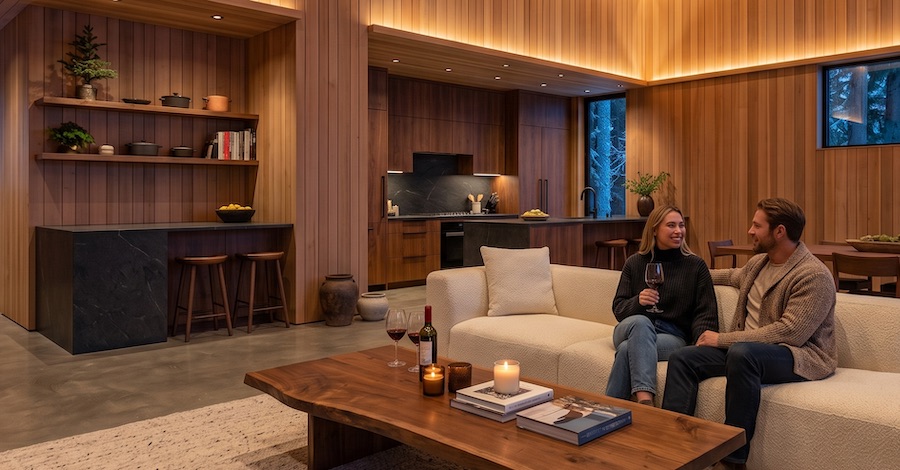
A single ceiling fixture and a dimmer switch can brighten a room, but they can't shape how it looks and feels. Lighting design treats light as part of a home's unique character and the architecture itself; it’s never an afterthought bolted on after the walls are already painted.
Learn more below about lighting design and how it can elevate the mood in an instant.
MORE ON MODERN DESIGN: We’re Redefining Minimalist Design with Hidden Technology
The Mindset Shift Required for Lighting Design
A single overhead light flattens a room, giving every surface the same flat wash of brightness. Shadows disappear, and there's nothing to draw the eye toward a fireplace, a piece of art, or the texture in a stone accent wall.
Architectural lighting design approaches residential illumination differently. Instead of asking, "How do we light this room?" ask, "What should this room feel like at 7 p.m. on a Tuesday versus during a dinner party?"
How to Layer Light Like a Designer
Lighting designers work in layers throughout the home:
- Ambient light for overall visibility
- Task light where it's actually needed
- Accent light that highlights the details worth noticing
Stacking those layers, rather than relying on one bright fixture, is what makes a room feel cozy, exciting, or relaxing, instead of merely lit from above. It's why interior designers and architects increasingly treat lighting as part of the design conversation from day one.
Make the Lighting Fixtures Disappear
Some of the most effective home lighting isn’t noticeable until it’s pointed out:
- Cove lighting tucked into a ceiling recess washes a wall in soft glow
- Wall grazers bring out the texture of stone or wood paneling
- Trimless recessed fixtures sit flush with the ceiling instead of announcing themselves as fixtures.
The goal isn't to hide the technology for its own sake, but to let the architecture, not the light source, hold your attention.
Lighting Control Ties the Layers Together
The lighting design does the work while you simply pick the moment. Customizable control is what separates an automated home from one with an off-the-shelf lighting kit.
None of what we’ve described works if every layer needs its own switch or remote. A Lutron or Control4-based control system lets ambient, task, and accent layers shift together as a coordinated scene. For example, choose Movie Night to dim the overhead layer while bringing up a cove light when it’s time to watch a film; or select Focus to brighten everything at once for cleaning day.
Why Lighting Design Matters More in Portland
Portland's shorter winter days make thoughtful lighting design less of a luxury and more of a daily necessity. Homes in Lake Oswego, Beaverton, and Hillsboro with large windows and open floor plans especially benefit from layered lighting that can compensate for fading natural light in the afternoon. Instead of letting a room go flat and gray by 4 p.m., the lights automatically adjust to a warm, incandescent glow that adds ambiance without having to think about it.
Where to Start if You're Not Redesigning the Whole House
Adding architectural fixtures and strategic lighting design doesn't have to mean rewiring every room at once. A great room, a kitchen, or a primary bedroom is usually the best place to start, since it's the space where the difference between flat overhead light and layered lighting is most obvious in day-to-day use. From there, the same layering approach can extend room by room, built around your priorities and your home’s layout rather than treated as an all-or-nothing renovation.
Request a lighting consultation with Eighteen Group today, and we’ll shine light on the possibilities.